Historic Buildings of Massachusetts

  • About
  • Index by Town
  • CT
  • About
  • Index by Town
  • CT

Category: Salem

Pickman-Shreve-Little House (1819)
by Dan/December 6, 2011/Federal, Houses, Salem

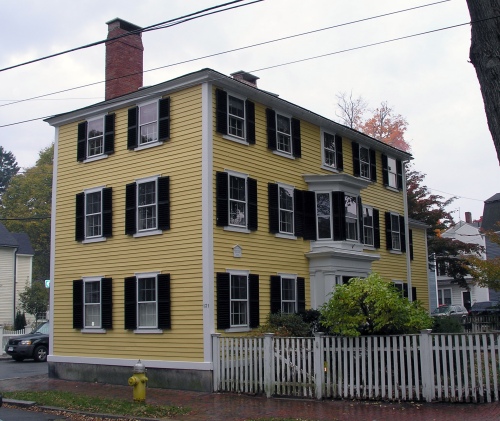
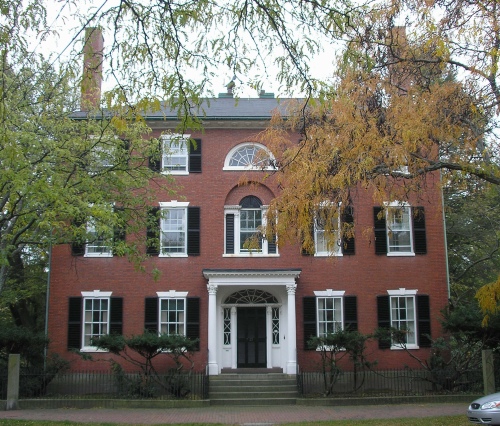
One of Salem‘s best examples of Federal-style architecture is the Pickman-Shreve-Little House at 27 Chestnut Street. It was constructed about 1819 by master builder Jabez Smith for Dudley L. Pickman. One of Salem’s wealthiest merchants, Pickman was a partner in the firm Devereux, Pickman & Silsbee and served as a state senator. The house was in his family until 1865 and was then owned, from 1872 to 1898, by Benjamin Shreve, a founder of the Boston jewelers Shreve, Crump, & Low, which is still in business. After Shreve‘s death, the house was then home to David Mason Little, a naval architect and photographer. He published a collection of his yacht photography in 1883 called Instantaneous Marine Studies. David M. Little also served as mayor of Salem in 1900 and was the last Collector of Customs at Salem, from 1903 until the office was abolished in 1913.
George Nichols House (1816)

by Dan/December 5, 2011/Federal, Houses, Salem

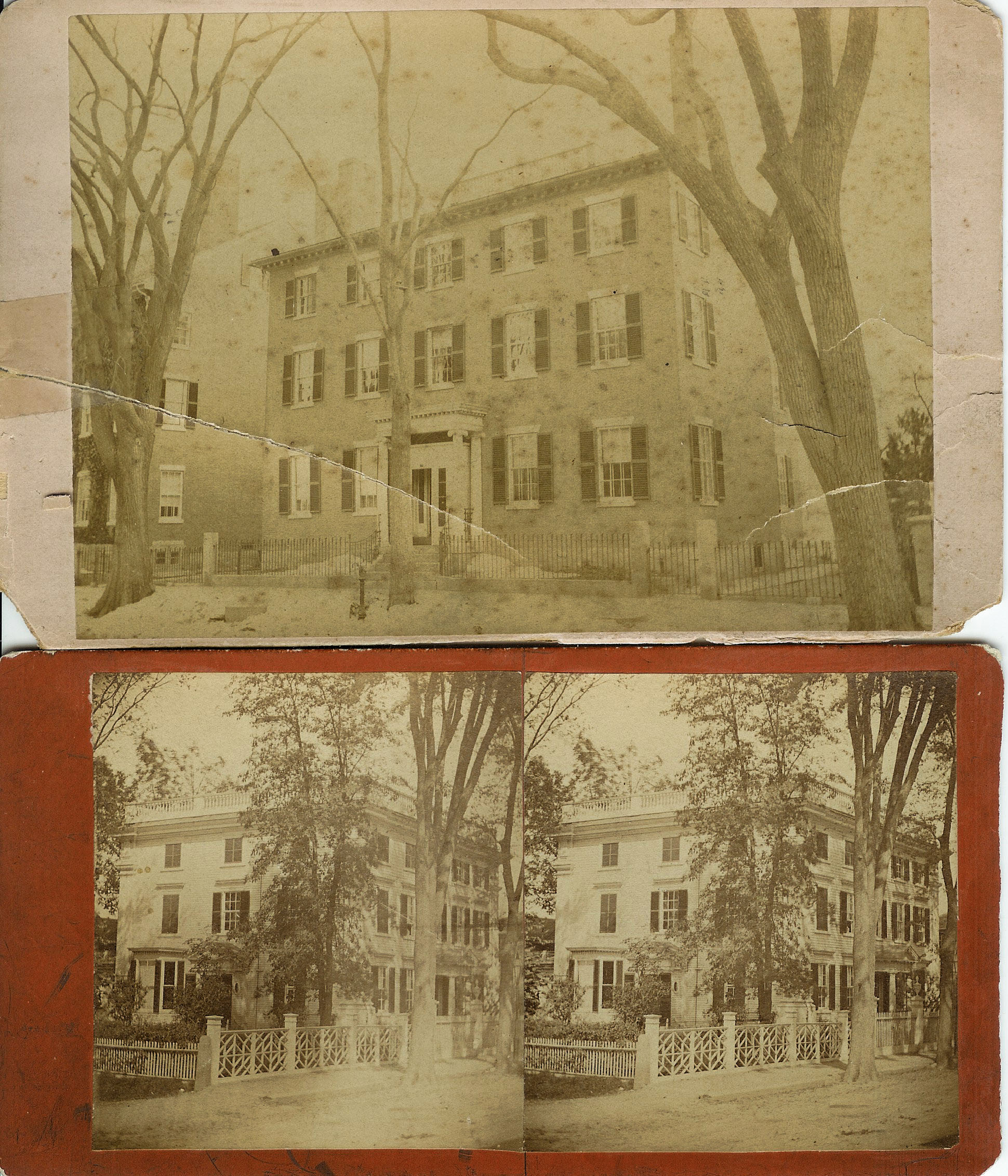
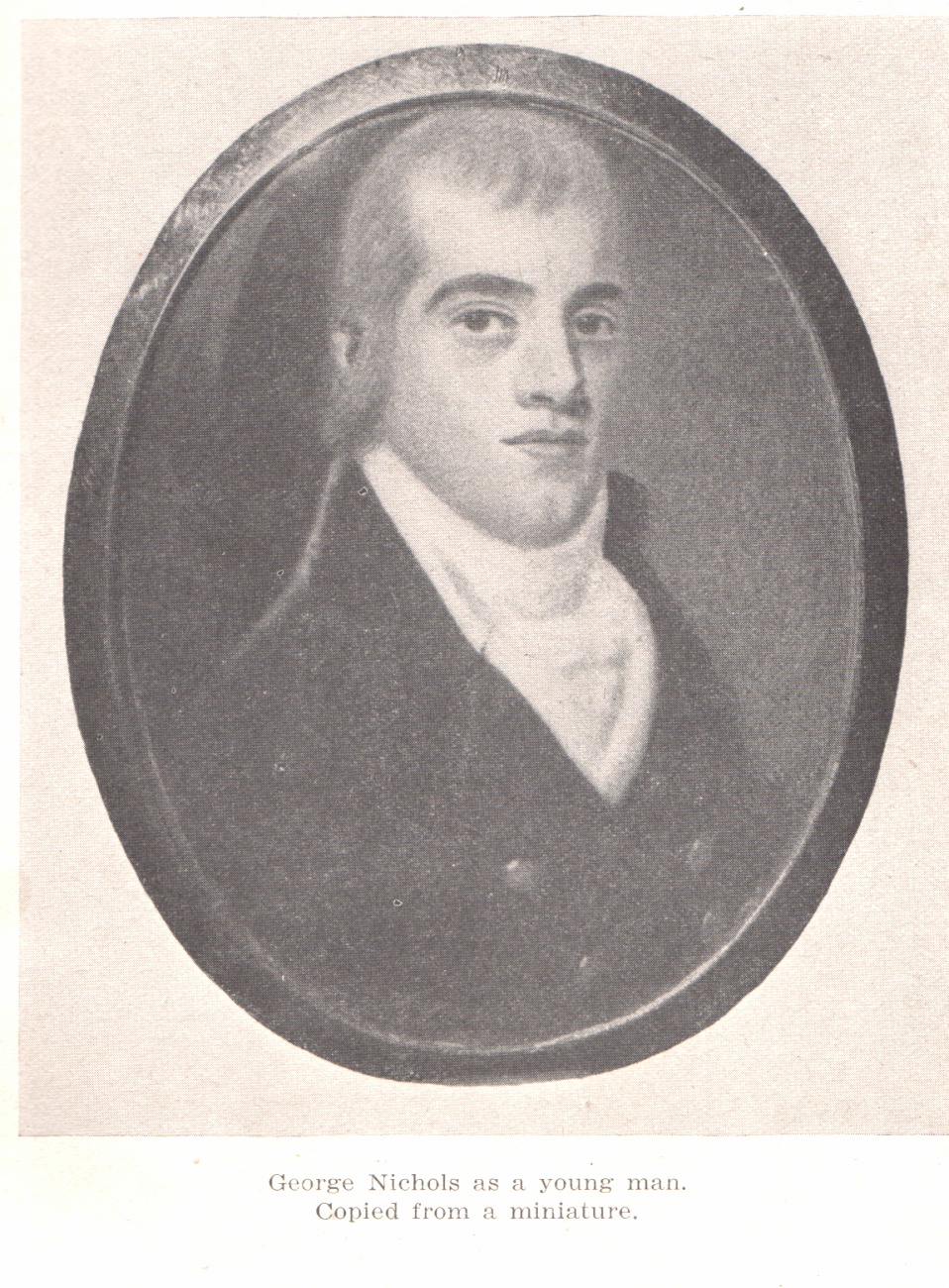
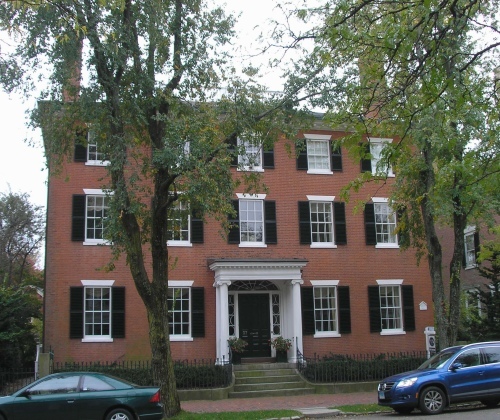
The house at 37 Chestnut Street in Salem was erected by master builder Jabez Smith in 1816-1817 for sea captain and merchant George Nichols. The house was also owned, from 1827 to 1845, by David Pingree and William A. Landers.

Yin Yu Tang (1800)

by Dan/October 14, 2011October 14, 2011/Houses, Salem, Vernacular

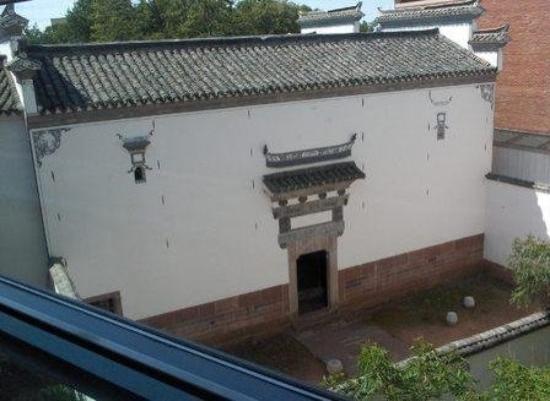
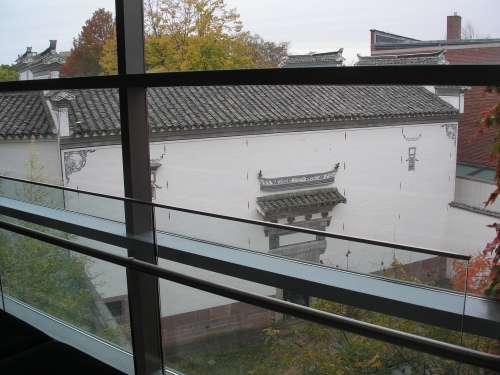
Yin Yu Tang (“Hall of Plentiful Shelter”) is a Qing Dynasty Chinese merchant’s house, built around 1800, which was moved to the Peabody Essex Museum in Salem and reconstructed there in 1997-2002. The house was first built by a merchant of the Huang family in the village of Huang Cun, located in Xiuning County of the Huangshan Prefecture (a region traditionally known as Huizhou) in Anhui Province. Eight generations of the family lived in the house for nearly two centuries. By the 1980s, the house stood empty, as Huang family members had moved to other parts of the country. In 1996, family members decided to sell the house and the following year, Chinese authorities approved Yin Yu Tang’s move to the United States as part of a cultural exchange helping to protect and promote the architecture of the Huizhou region. It is now open to the public and contains original family furnishings. Also check out my post on the New York Chinese Scholar’s Garden.

Ireland-Emery House (1797)

by Dan/September 20, 2011/Federal, Houses, Salem

The facade of the Ireland-Emery House, at 131 Federal Street in Salem, does not face the street but instead fronts a yard on the west side. The house, which was built around 1797, is named for Jonathan Ireland, a blacksmith for whom it was erected, and Samuel Emery, a nautical instrument dealer and compass maker, active in Salem between 1809 and 1868, who acquired the house in 1828. The bay window above the front door is a later addition.

William T. Pickering House (1735)

by Dan/September 19, 2011September 19, 2011/Colonial, Houses, Salem

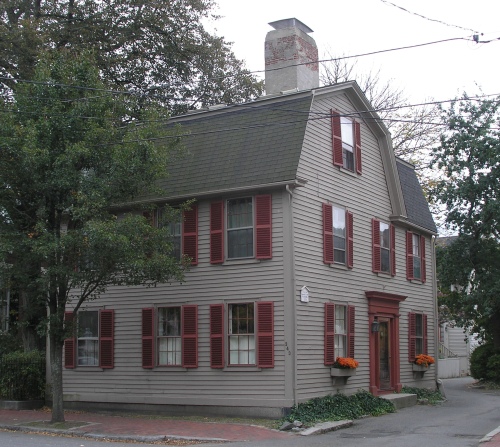
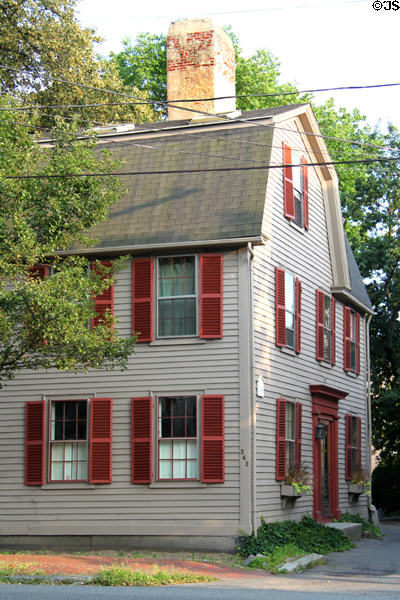
The William T. Pickering House, at 343 Essex Street, at the corner of Botts Court, in Salem, was built before 1736. It was later owned by members of the Botts family.

Peirce-Nichols House (1792)

by Dan/June 25, 2011/Federal, Houses, Salem

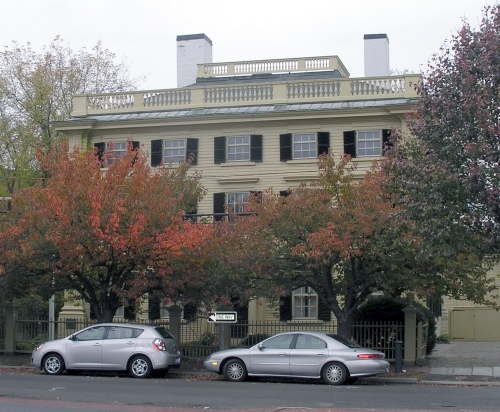
Another renowned three-story residence in Salem is the Peirce-Nichols House, a transitional Georgian/Federal structure at 80 Federal Street. The work of Samuel McIntire, the house was constructed in the Georgian style in 1792, with McIntire also remodeling several interior rooms in the Federal style in 1801. It was built for Jerathmiel Peirce, partner of Aaron Waite in the merchant firm of Peirce and Waite, owners of the East Indiaman Friendship. Behind the house and its stables, a terraced lawn extends back to a small arbor. The property originally extended to the North River, where Capt. Peirce docked his ships. The 1801 remodeling of the house was occasioned by the marriage of Sarah Peirce to George Nichols. At that time, McIntire also crafted the front fence, which has decorative urns. The house passed to John H. Johonnot in 1827, but it was inherited by George Nichols in 1840. The Essex Institute (now the Peabody Essex Museum) purchased the house by subscription in 1917.

Andrew-Safford House (1818)

by Dan/June 24, 2011June 24, 2011/Federal, Houses, Salem

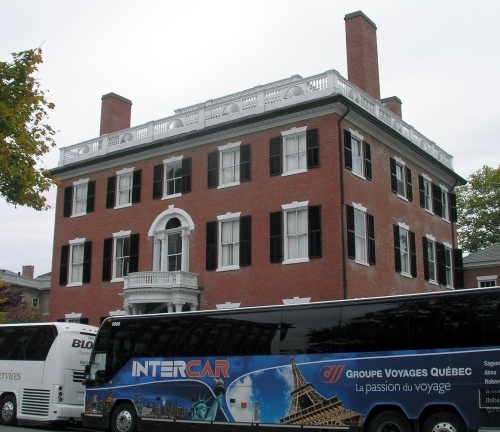
Impressively sited on the west side of Salem Common (though often obscured by tour buses!) is the Andrew-Safford House, built in 1818-1819. Regarded as one of New England’s great Federal-era houses, it was built for John Andrew, a wealthy merchant of Russian furs. In the 1860s, the house was owned by the Smith and Creamer families and in 1871 was purchased by John Osborne Safford, a leather merchant. His family gave the home to Essex Institute, now the Peabody Essex Museum, in 1947. Since the picture above obscures the house’s striking Federal entryway, click below to see an image of it… Continue reading “Andrew-Safford House (1818)”

Posts navigation

Older posts
Newer posts
Privacy Policy

Categories

  • Architectural Style (943)
    • Art Deco (9)
    • Byzantine (3)
    • Colonial (177)
    • Colonial Revival (85)
    • Craftsman (6)
    • Egyptian Revival (1)
    • Federal (190)
    • Foursquare (6)
    • Gothic (67)
    • Greek Revival (100)
    • Italianate (82)
    • Mission Revival (2)
    • Mission/Spanish Colonial (1)
    • Modern (2)
    • Neoclassical (56)
    • Octagon (3)
    • Postmodern (1)
    • Queen Anne (46)
    • Renaissance Revival (26)
    • Romanesque Revival (53)
    • Second Empire (26)
    • Shingle Style (12)
    • Stick Style (13)
    • Tudor Revival (8)
    • Vernacular (49)
    • Victorian Eclectic (15)
  • Building Type (943)
    • Apartment Buildings (8)
    • Banks (18)
    • Churches (119)
    • Collegiate (32)
    • Commercial (102)
    • Hotels (16)
    • Houses (508)
    • Industrial (23)
    • Libraries (22)
    • Lighthouses (1)
    • Military (15)
    • Monuments (1)
    • Museums (12)
    • Organizations (39)
    • Outbuildings (17)
    • Public Buildings (50)
    • Schools (23)
    • Stations (5)
    • Synagogues (1)
    • Taverns (21)
    • Theaters (9)
  • Town (943)
    • Adams (11)
    • Agawam (4)
    • Amherst (50)
    • Boston (64)
    • Boylston (6)
    • Cambridge (30)
    • Clinton (21)
    • Concord (15)
    • Cummington (1)
    • Danvers (14)
    • Deerfield (31)
    • Gloucester (18)
    • Granville (10)
    • Great Barrington (2)
    • Hadley (9)
    • Hancock (15)
    • Harvard (32)
    • Holyoke (47)
    • Lenox (5)
    • Lexington (8)
    • Longmeadow (32)
    • Marblehead (40)
    • Marlborough (4)
    • Natick (22)
    • Newton (2)
    • Northampton (68)
    • Peabody (4)
    • Pittsfield (20)
    • Salem (110)
    • Saugus (4)
    • Sheffield (4)
    • South Hadley (8)
    • Southborough (8)
    • Southwick (4)
    • Springfield (67)
    • Stockbridge (19)
    • Stow (1)
    • Sturbridge (18)
    • Sudbury (7)
    • Waltham (11)
    • Watertown (1)
    • Wayland (8)
    • West Springfield (14)
    • Westfield (46)
    • Weston (2)
    • Worcester (26)
  • Uncategorized (1)

Recent Comments

  • Wilber Blackson on South Hadley
  • Tami Speiden on Stockbridge
  • DexGuru on Stockbridge

Tags

Alcott Amherst College Asher Benjamin Back Bay Baptist Beacon Hill Big E Black Heritage Trail bowfront Bulfinch Catholic Congregational Episcopal Freedom Trail Gambrel H.H. Richardson Harvard Hawthorne Historic Deerfield Isaac Damon lit Longfellow mansard Methodist Mount Holyoke Museum Museums NPS Old Sturbridge Village PEM Revolutionary War row houses saltbox Samuel McIntire Shakers Smith College SPNEA Springfield Armory Stephen C. Earle Storrowton Underground Railroad UU Washington William Fenno Pratt Witch Trials

Meta

  • Log in
  • Entries feed
  • Comments feed
  • WordPress.org
Proudly powered by WordPress | Theme: ShowMe by NEThemes.